January 19, 2026
Understanding how your vehicle’s transmission works—and how to care for it—can make a major difference in performance, safety, and long-term ownership costs. Auto transmission repairs often feel intimidating because the system is complex and hidden from view, but early knowledge gives drivers control. When vehicle owners understand what symptoms matter and how maintenance affects longevity, they’re far better equipped to prevent breakdowns and manage repair costs confidently.
1. Recognizing the Signs of Transmission Issues
Slipping gears are one of the most common early warning signs of transmission trouble and should never be ignored. This issue occurs when the transmission struggles to stay engaged or unexpectedly changes gears, often resulting in a sudden loss of power while driving. These moments can feel unsettling and may create dangerous conditions, especially during merging or highway driving.
Unusual noises are another strong indicator that something inside the transmission system is not functioning properly. Grinding, whining, or clunking sounds during gear changes or acceleration often point to worn bearings, damaged gears, or lubrication problems. Identifying and addressing these sounds early can prevent damage from spreading to other internal components.
Delayed engagement is often noticed when shifting from park into drive or reverse and experiencing a noticeable pause before movement begins. This delay can signal pressure issues, fluid degradation, or internal wear that reduces responsiveness. Over time, delayed engagement places added stress on the transmission and can accelerate deterioration if left unresolved.
Fluid leaks are a serious issue because transmission fluid is essential for lubrication, cooling, and hydraulic pressure. Even a small leak can result in overheating and internal damage if ignored. Reddish or dark fluid beneath a parked vehicle is a strong sign that professional inspection is needed.
Dashboard warning lights are designed to alert drivers to developing issues before mechanical failure occurs. Modern vehicles rely on sensors to monitor transmission performance continuously. Ignoring these alerts often allows minor problems to escalate into major auto transmission repairs that could have been avoided.
2. Understanding the Importance of Regular Maintenance
Transmission fluid plays a critical role in ensuring smooth gear shifts and regulating operating temperature. Over time, heat and friction cause fluid to break down and lose effectiveness. Regular fluid changes help protect internal components and maintain consistent performance.
Filters are equally important because they trap debris and contaminants created during normal operation. When filters become clogged, fluid flow is restricted, increasing internal pressure and heat. Replacing filters during routine maintenance helps extend transmission lifespan and improve reliability.
Scheduled check-ups allow technicians to identify wear patterns, leaks, and early-stage failures before they become costly repairs. According to ZipDo, approximately 80% of a vehicle’s repair costs occur within the first 10 years of service, making preventive care especially valuable during that period. Routine inspections help manage long-term expenses and reduce unexpected downtime.
Cooling system maintenance is essential because excessive heat is one of the leading causes of transmission failure. Radiators, cooling lines, and coolant levels must function properly to regulate operating temperatures. Keeping the cooling system in good condition helps prevent fluid breakdown and overheating-related damage.
The torque converter plays a key role in transferring engine power to the transmission smoothly. When this component wears or malfunctions, drivers may experience shuddering, slipping, or overheating. Regular inspection helps ensure efficient power delivery and protects overall drivability.
3. Using DIY Transmission Diagnosis Tips Wisely
Checking transmission fluid levels is one of the simplest ways drivers can monitor system health. Low fluid levels increase friction, raise operating temperatures, and accelerate internal wear. Routine checks allow drivers to spot potential problems before performance is affected.
Visual inspections for leaks are another effective preventative habit that requires little time or equipment. Leaks often originate from seals, gaskets, or cooling lines and can worsen quickly if ignored. Catching leaks early helps preserve fluid levels and prevent internal damage.
Manual transmission drivers should pay close attention to clutch and gearbox behavior during normal driving. Difficulty shifting, slipping, or resistance often signals developing issues that should not be dismissed. While minor adjustments may help temporarily, persistent symptoms require professional evaluation.
Listening closely while driving can reveal early warning signs that are easy to overlook. Grinding, whining, or clunking sounds during starts or gear changes usually indicate internal wear. Addressing these noises promptly helps prevent small issues from turning into major repairs.
4. Understanding Transmission Components
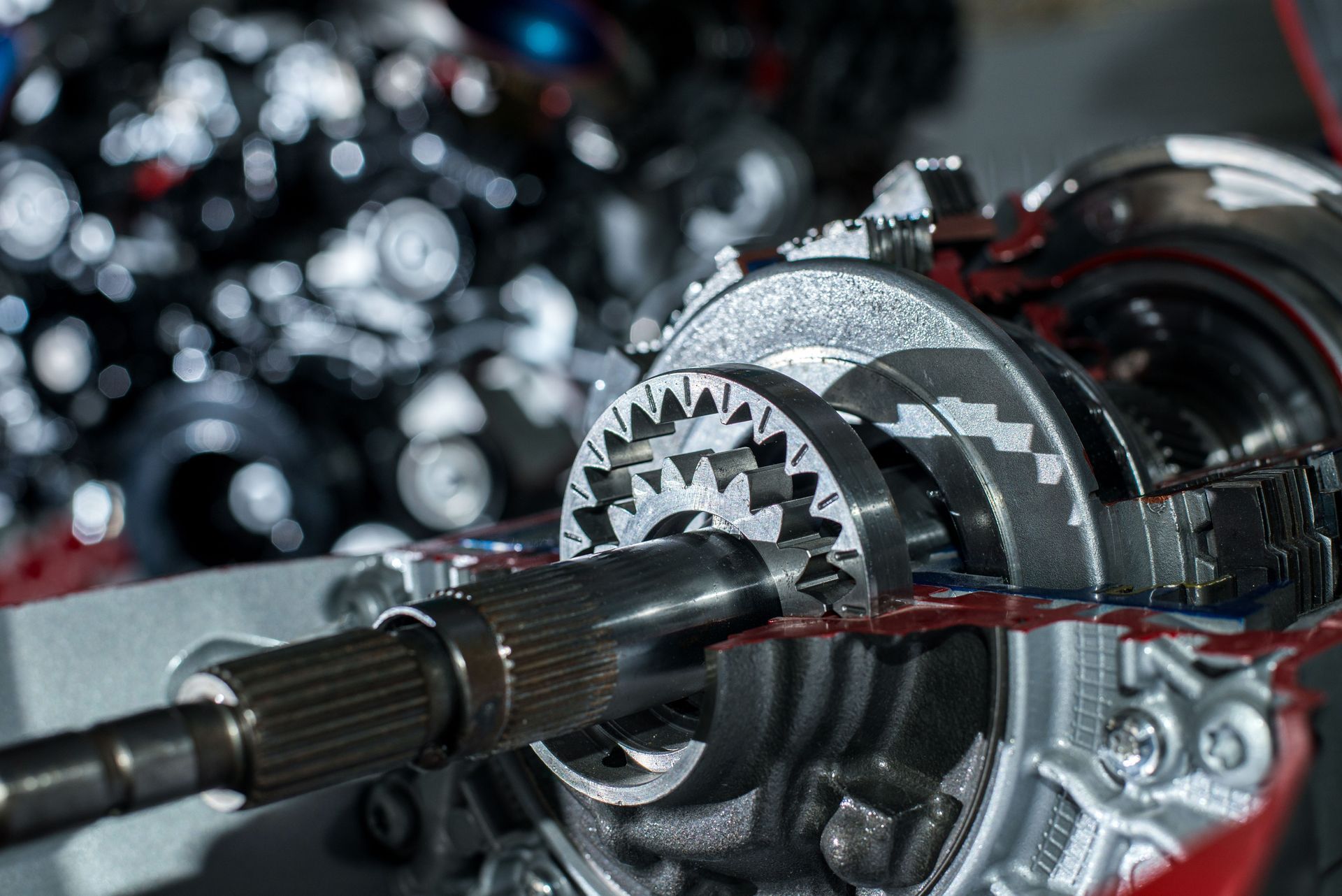
Gears and gear sets form the mechanical foundation of the transmission system. These components regulate speed and torque delivery from the engine to the wheels at varying driving conditions. Wear or misalignment can affect performance, fuel efficiency, and drivability if not properly maintained.
Transmission fluid and filters work together to protect internal parts from heat and contamination. Fluid lubricates and cools components, while filters trap debris before it causes damage. Routine servicing keeps these elements functioning properly and reduces failure risk.
The clutch assembly is essential in manual transmissions, allowing controlled engagement and disengagement of gears. Worn clutch components reduce control and efficiency while placing stress on related parts. Proper clutch maintenance improves driving comfort and extends system lifespan.
Automatic transmissions rely on torque converters instead of clutches to manage power transfer. These components allow smooth vehicle movement without manual gear engagement. Malfunctions can cause vibration, delayed response, or overheating if left unaddressed.
5. Knowing When to Consult a Professional
Persistent transmission problems are a strong indicator that professional service is required. Repeated slipping, delayed shifts, or unusual noises often signal deeper mechanical issues. Early expert intervention helps prevent extensive internal damage.
Electronic transmission failures are particularly complex and rarely suitable for DIY solutions. Sensors, solenoids, and control modules require specialized tools and expertise to diagnose accurately. Professional repairs ensure proper calibration and system stability.
Major fluid leaks require immediate professional attention because fluid loss can escalate rapidly. Significant leaks reduce lubrication and cooling, leading to severe internal damage. Expert repair restores system integrity and prevents catastrophic failure.
Physical damage caused by accidents or prolonged wear often exceeds the scope of home repair. Professional technicians have the equipment and experience needed to repair or replace damaged components safely. Timely service helps avoid secondary issues and rising costs.
6. Choosing a Reliable Repair Service
Selecting a shop with ASE Master-Certified mechanics ensures a high standard of technical expertise. Certification reflects ongoing training and adherence to industry standards. Qualified professionals deliver consistent and dependable auto transmission repairs.
Customer reviews offer valuable insight into service quality and reliability. Patterns in feedback help drivers evaluate professionalism, communication, and repair outcomes. Strong reputations are often built on consistent results. Free, same-day estimates provide transparency and help drivers plan repairs confidently. Comparing detailed estimates ensures fair pricing without sacrificing quality. Value comes from accuracy, not shortcuts.
Experience plays a critical role in diagnosing complex transmission issues. Technicians with years of hands-on work recognize patterns and avoid misdiagnosis. Experienced teams deliver long-term solutions, not temporary fixes. By staying alert to warning signs, following consistent maintenance practices, and choosing qualified professionals, drivers can reduce the risk of major auto transmission repairs while extending vehicle reliability. Proactive care protects both performance and long-term value.
If you’re looking for dependable
auto transmission repairs
backed by ASE Master-Certified technicians and free same-day estimates, Ace Transmissions is ready to help. Located in Grand Rapids, MI, our team provides expert engine, transmission, brake, and suspension repairs with accuracy and transparency. Contact Ace Transmissions today and keep your vehicle running smoothly with confidence.